


The issue of antimicrobial resistance (AMR) arising from the inappropriate use of antimicrobial agents in aquaculture has become a globally recognized challenge for food safety and public health. Reducing dependence on antibiotics—”antimicrobial reduction”—is far more than simply finding alternative drugs. At its core, it represents a paradigm shift in farming philosophy: building the inherent health “resilience” of farmed animals through systematic management.
This concept is being operationalized globally through actions by organizations like the Food and Agriculture Organization of the United Nations (FAO). For instance, in Zambia, FAO trains smallholder farmers through “Farmer Field Schools,” focusing on imparting integrated measures such as biosecurity, environmental management, and vaccination to reduce disease incidence and the need for medication at the source. In China, this philosophy has been integrated into national action. Relevant institutes of the Chinese Academy of Fishery Sciences, serving as an FAO Reference Centre, actively promote antimicrobial reduction technologies and were consequently honored with an FAO Global Technical Recognition award.
Building “resilience” in practice relies on three synergistic pillars:
First, a rigorous biosecurity system encompassing fry quarantine, disinfection of water and equipment, and prevention of cross-contamination by personnel, establishing the first line of defense against pathogen intrusion.
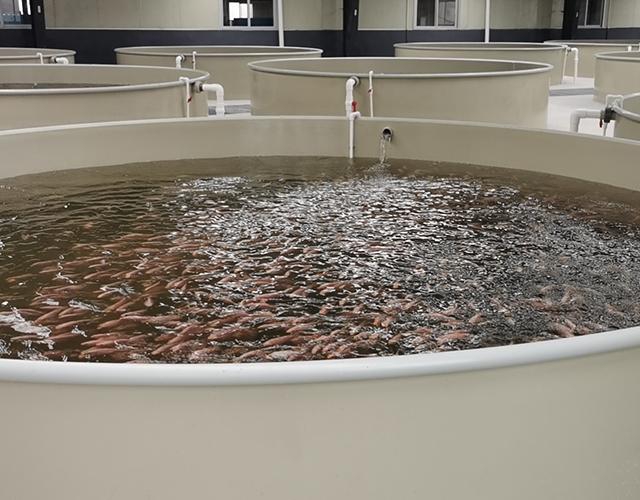
Second, optimized husbandry and environmental management, employing technologies like Recirculating Aquaculture Systems (RAS), intelligent oxygenation, and water conditioning with probiotics to maintain stable water quality and reduce environmental stress.
Third, a proactive immunoenhancement strategy, involving the development and use of vaccines against major diseases, and the inclusion of functional substances like prebiotics and herbal extracts in feed to boost the fish’s innate immunity.
Technology is now at the forefront. For example, research institutions in China are developing aquaculture farm-level early warning systems and assisted diagnostic tools based on Artificial Intelligence (AI), aiming to monitor fish behavior and water quality in real-time via mobile technology. This enables precise disease early warning and diagnosis, significantly advancing the frontline of prevention.
Perspicacia: The success of antimicrobial reduction in essence lies in shifting disease control from a “treatment-centric” approach to a “prevention-first” health management strategy. Although initial investments in facility upgrades and management may increase costs, in the long term, stable production performance, higher product safety premiums, and smoother market access (particularly for international markets) will make investing in the resilient, health-centered farming model the most competitive choice.
 ES
ES  EN
EN  FR
FR