

Are you struggling with the high mortality rates during the fingerling stage and the protracted grow-out cycle in submersible cages? A phased farming model that integrates land-based Recirculating Aquaculture Systems (RAS) with offshore submersible cages is gaining traction in the industry. Its appeal lies in a core logic of “front-loaded risk management” et “maximized efficiency.”
How does this “Land-Sea Relay” model operate?
Land-based RAS Phase (High-Control Period): The process from egg incubation to reaching a size of approximately 100-500 grams is completed entirely within a controlled indoor RAS facility. The core objectives of this phase are: achieving near-total biosecurity (preventing viruses and parasites), precisely regulating nutrition and photoperiod to optimize growth, and completing critical vaccination protocols.
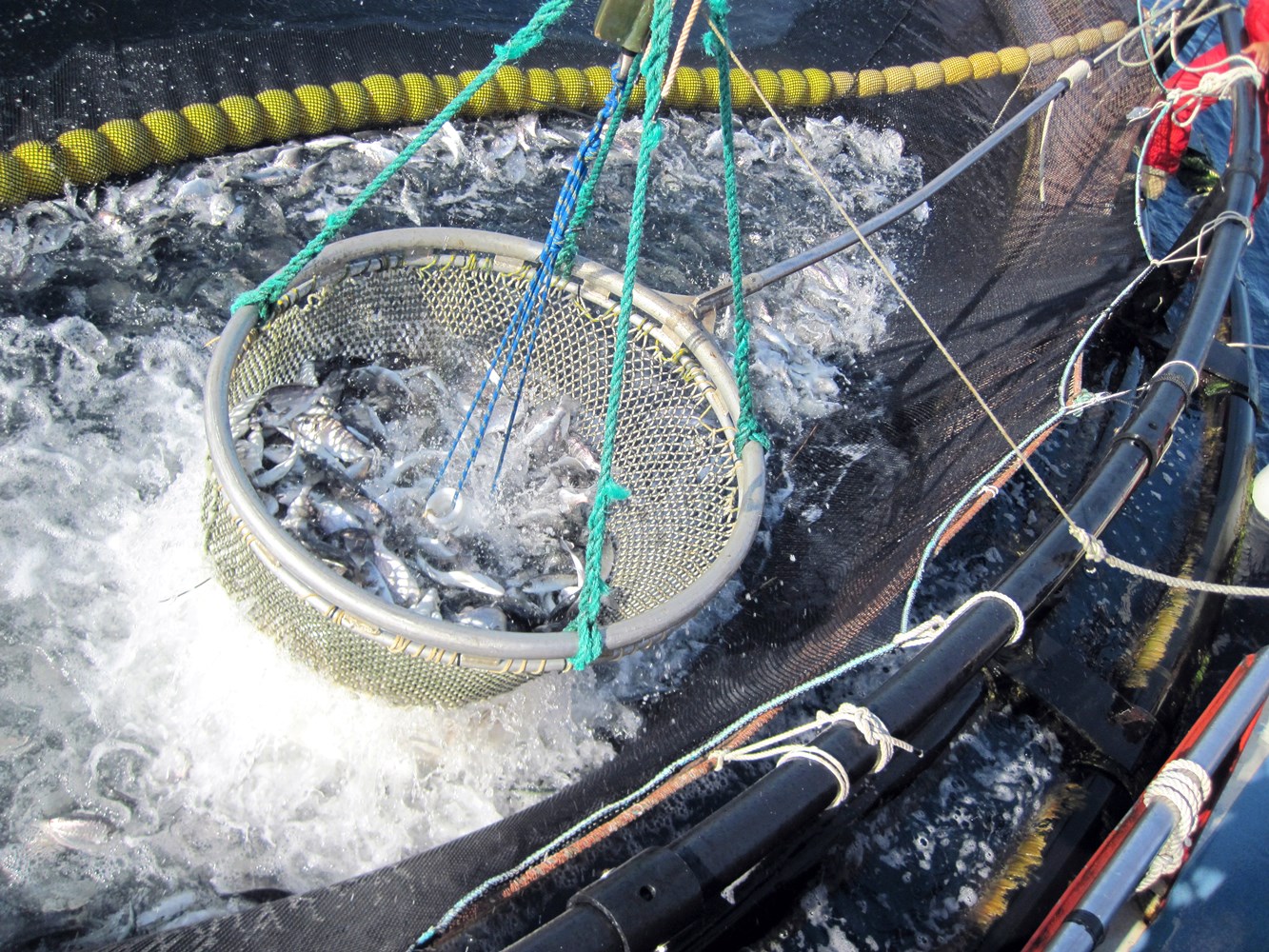
Offshore Submersible Cage Phase (High-Efficiency Finishing Period): Healthy, uniformly sized advanced fingerlings are transferred to submersible cages in open waters. They are then grown out to market size rapidly by leveraging the superior conditions of the natural marine environment.
Why does it create a “1+1>2” value proposition?
Significantly Reduced Risk: The most vulnerable fingerling stage is secured in the lowest-risk environment, avoiding uncontrollable early-stage threats in open water such as storms, algal blooms, and pathogen exposure, thereby substantially improving overall survival rates.
Optimized Production Cycle: Season-independent, optimized growth in RAS gives the fingerlings a “head start” before sea transfer, potentially shortening the offshore grow-out period by at least 3-6 months and accelerating capital turnover.
Enhanced Biosecurity and Environmental Sustainability: The closed land-based system allows for centralized treatment and potential recovery of wastewater and solid waste. The offshore phase may see a further reduction in overall chemical use and the Feed Conversion Ratio (FCR), due to healthier fish and a shorter cycle.
Precision in Production Planning: It enables batch-based, year-round stocking, allowing for more flexible responses to market demands and a smoother harvest schedule.
This is not a shortcut, but a higher barrier to entry:
This model is not suitable for all operators. It essentially shifts some offshore management challenges upstream, replacing them with higher demands for capital, technology, and management:
Dual Capital Investment (High CAPEX): Requires simultaneous investment in (or access to) both advanced RAS infrastructure and offshore submersible cage assets.
Composite Technical Expertise: Demands a team proficient in both high-density, precision RAS operations and offshore farming/logistics management. The live fish transfer (via well boats) is a critical and high-risk technical operation.
Precision Operations Management: Data, protocols, and biosecurity measures between the two systems must be seamlessly integrated, requiring stringent digitalization and process standardization.
Conclusion :
The RAS + Cage phased farming model represents a definitive pathway for the industry’s shift towards intensive, industrialized offshore aquaculture. It is better suited for large enterprises or consortiums with strong capital backing, substantial technical expertise, and a commitment to branding and long-term operations. For the industry at large, this model signifies more than just an innovation in production; it heralds a potential future of refined specialization—where dedicated “Advanced Fingerling Suppliers” et “Finishing Operators” may emerge as distinct sectors. Before entering this arena, a sober assessment of one’s own capital structure and technical-management DNA is essential.
 FR
FR  EN
EN  ES
ES