

Introduction
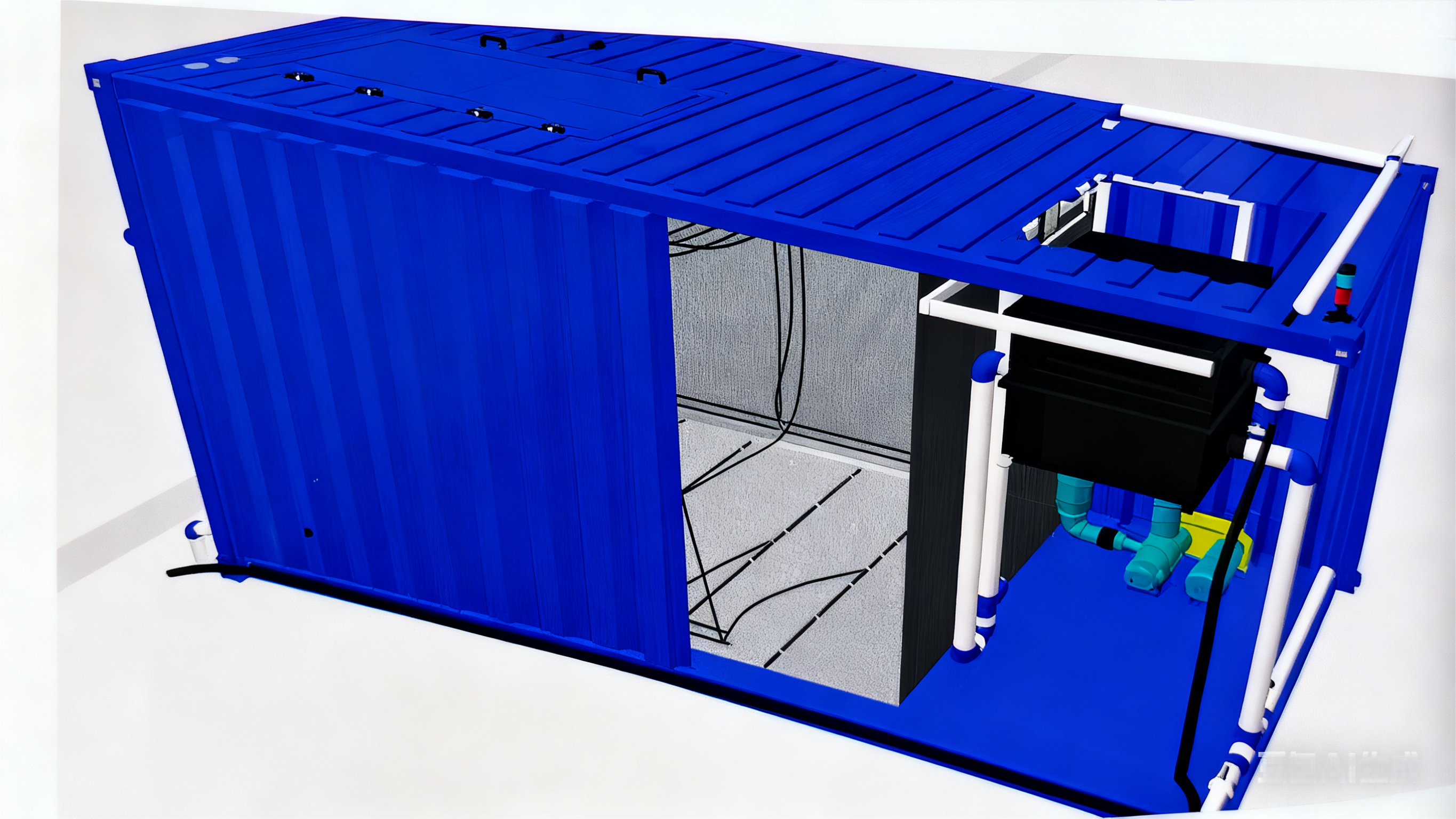
Bringing the ocean inland is one of the most compelling visions of Recirculating Aquaculture Systems (RAS). Beyond the proven success with salmon, the roster of high-value marine species suitable for RAS is expanding. Among them, flatfish (such as Japanese flounder and turbot) and high-density shrimp farming are garnering significant attention. Systematic research from institutions like Kentucky State University in the USA is helping to chart the technical course for this “land-based ocean” pathway.
Analysis of Key Technical Points
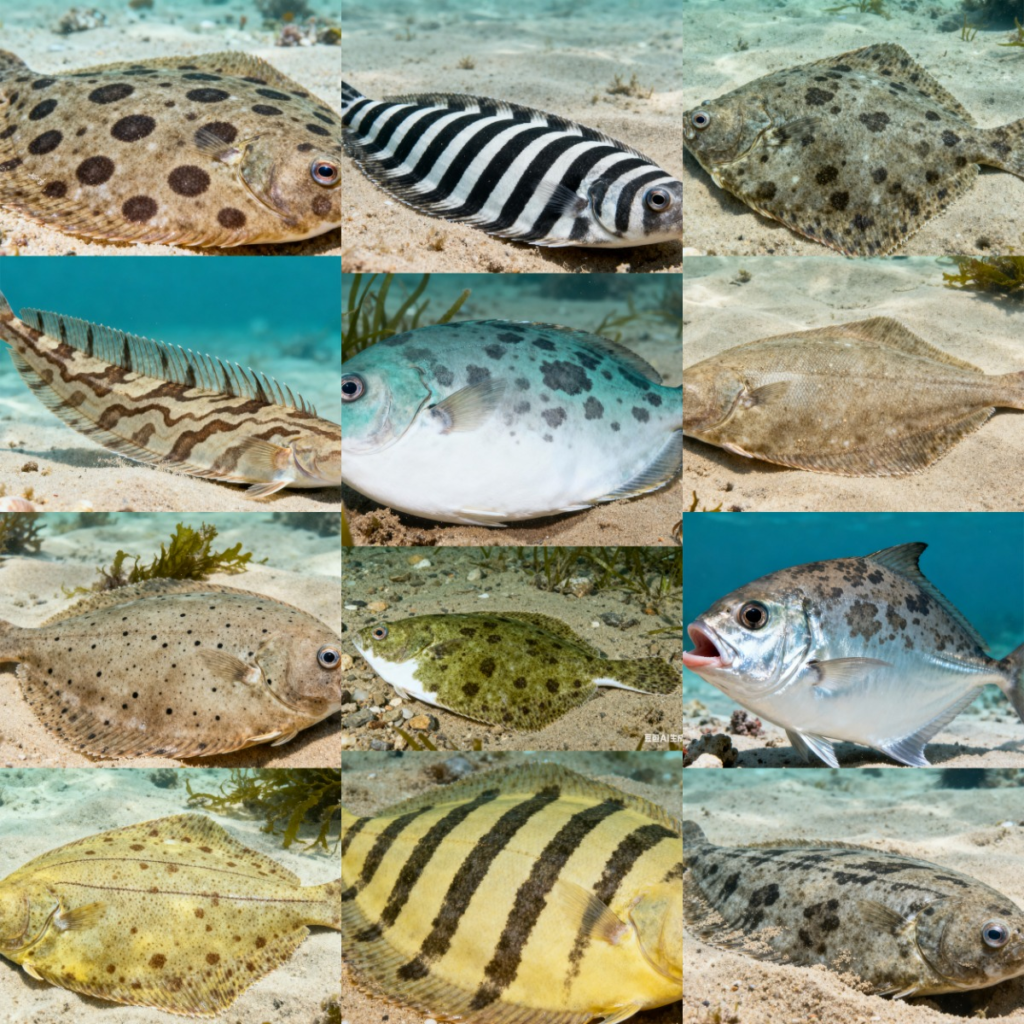
Flatfish Farming: Salinity and Genetics are Key
Salinity Adaptation Management: While flatfish are euryhaline, long-term cultivation at low salinity may affect flesh quality and flavor. Research is systematically evaluating the impact of different salinity levels on growth, stress indicators, and final product quality to find the optimal balance between flavor and cost (e.g., sea salt usage, water treatment difficulty).
Broodstock and Breeding: Establishing a healthy broodstock population is crucial. Utilizing genomic information for selective breeding to avoid inbreeding and maximize genetic diversity is the foundation for obtaining uniform, disease-resistant fry.
Shrimp Farming: Exploring Density Limits and Welfare
Three-Dimensional Space Utilization: Research is testing the upper limits of shrimp stocking density under conditions that provide sufficient horizontal substrate. This is not merely about packing in more shrimp but involves improving the habitat environment (e.g., with suspended nets, substrates) to make full use of the three-dimensional water column and increase yield per unit volume.
System-Specific Nutrition: As pointed out by global feed companies like Skretting, feed formulations for shrimp or fish in RAS must differ from those used in flow-through ponds. Special attention must be paid to nutritional balance, water stability, and potential impact on water quality.
Benefit Analysis and Risk Assessment
Market Advantages: Supplying “live/fresh seafood” directly to inland cities offers significant price premiums and strong branding potential.
Cost Challenges: High initial capital investment and substantial operational energy costs (especially for temperature control) are primary expenses. The high technical and management barriers also demand strictly professional staff.
Risk Control: High intensification means diseases can spread rapidly if they occur. It is essential to establish a four-level biosecurity system (zonal, premises, pond/unit, population) that exceeds traditional farming standards, supported by rigorous testing and emergency response plans.
Decision-Making Guide
For prospective investors, a step-by-step approach is recommended: First, conduct thorough market research (target cities, consumption habits, competitor analysis). Second, seek professional technical and design support to develop detailed financial models. Finally, start with a small-scale pilot system to gain operational experience before scaling up.
 EN
EN  ES
ES  FR
FR