
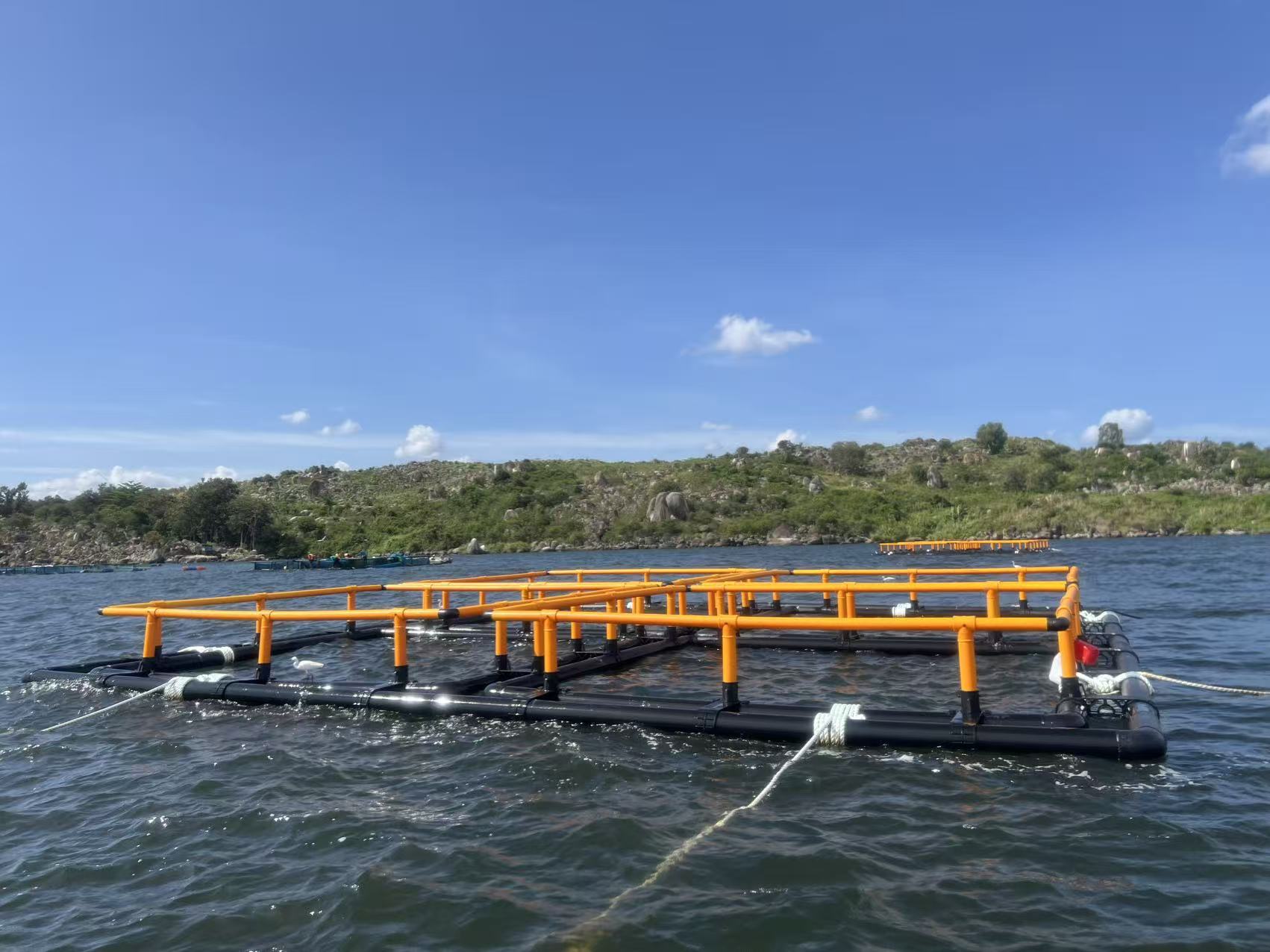

FAO’s “Blue Transformation” in Action: How Do Offshore Aquaculture Cages Become a Key Pillar?
Against the backdrop of global population growth and concurrent food security challenges, the Food and Agriculture Organization of the United Nations (FAO) strategy of “Blue Transformation” is elevating offshore and mariculture from a frontier exploration to a mainstream stage. This article analyzes the core of this strategy and, drawing on practices from countries like China and Norway, explores practical pathways for industrial development.
The Strategic Core of FAO’s “Blue Transformation”: Sourcing Protein from the High Seas
The FAO’s The State of World Fisheries and Aquaculture 2024 report unequivocally identifies aquaculture as the fastest-growing food production sector globally. The essence of “Blue Transformation” is to steer aquatic food systems toward greater efficiency, inclusiveness, resilience, and sustainability. Within this framework, the development of offshore and mariculture is recognized as a critical measure to alleviate environmental pressure on coastal zones, expand production boundaries, and secure the supply of high-quality animal protein.
The logic is clear and urgent:
Spatial Demand: Suitable nearshore farming waters are increasingly saturated and competitive.
Environmental Demand: The open waters of the high seas benefit from full water exchange, which facilitates better diffusion and dilution of farm waste. This effectively reduces environmental loading and enhances fish health.
Scale Demand: Meeting future needs necessitates opening new, scalable “blue food granaries.”
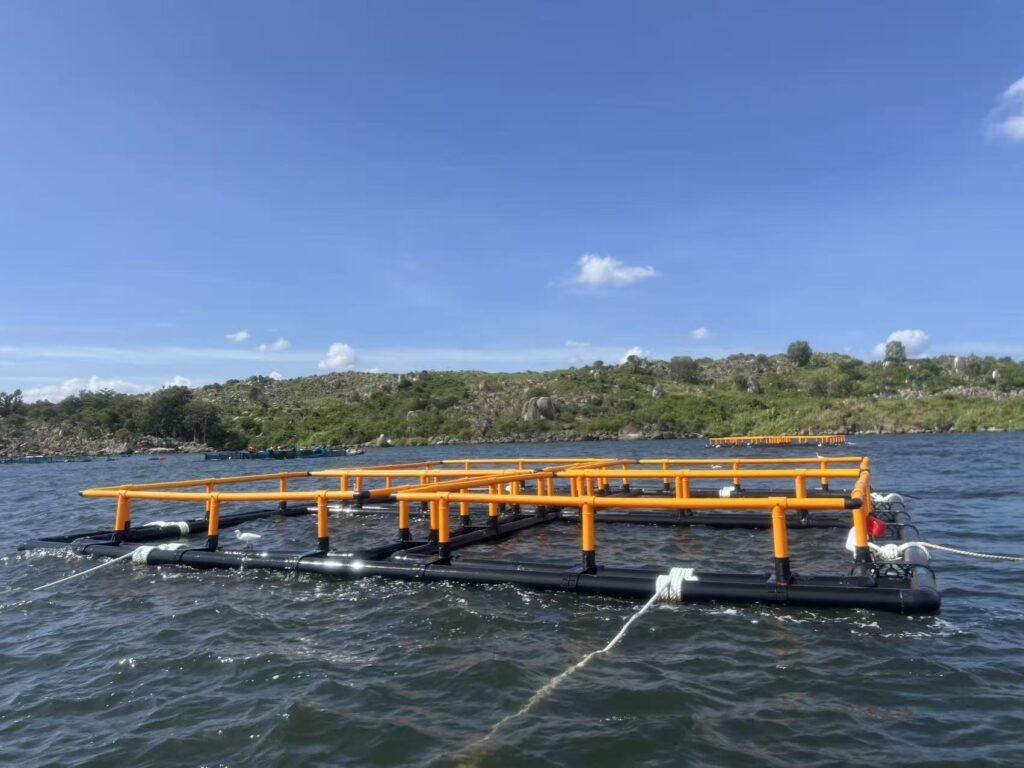
Global Practices: From Norwegian Fjords to the Yellow Sea of China
The strategy is transitioning from blueprint to reality. Two representative models offer distinct pathways:
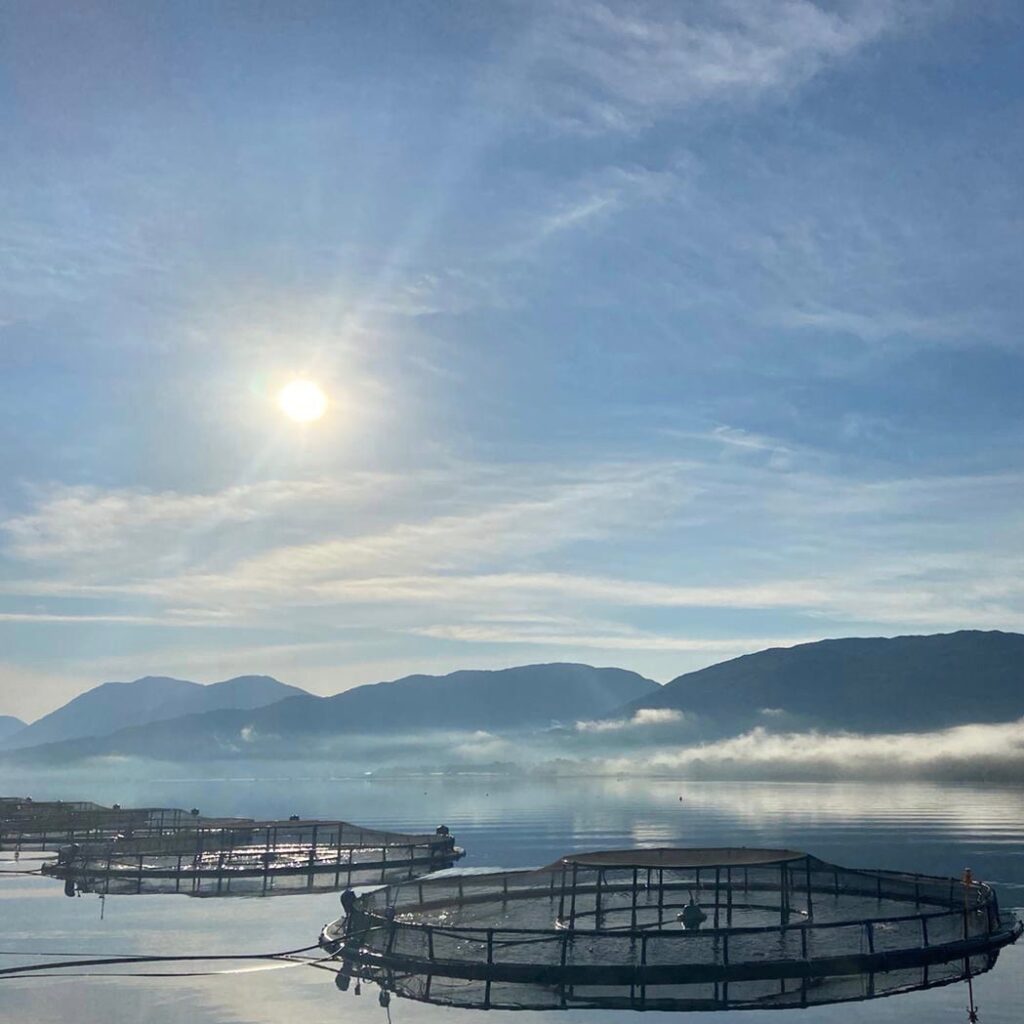
1. The Norwegian Model: Industrialized Deep-Sea Cage Farming with Technological Excellence
Norway has developed Atlantic salmon farming in deep-sea cages into a national pillar industry. Its core involves using large, storm-resistant steel-structure cages, intelligent feeding and monitoring systems, and a highly integrated industrial chain for large-scale production in the open waters of the North Sea. The government guides the orderly and sustainable expansion of the industry into offshore areas through a strict licensing system and systematic marine spatial planning. Norway’s experience demonstrates that high technological investment and stringent environmental standards can coexist and create high value-added outcomes.
2. The Chinese Model: Equipment-Driven Construction of “Marine Ranches”
China is advancing mariculture practices in open seas such as the Yellow Sea and South China Sea by constructing very large intelligent aquaculture vessels (e.g., “Guoxin 1”) and fully submersible deep-sea farming platforms (e.g., “Shenlan 1”). These “mobile marine ranches” or fixed platforms can withstand typhoons and other harsh sea conditions, enabling year-round farming of high-value species like large yellow croaker and salmon. This approach exemplifies breaking geographical and climatic constraints through major equipment innovation to actively create a controlled farming environment.
Pathways for Corporate Action: How to Become a Participant in the “Blue Transformation”?
Facing this wave, enterprises should not remain mere observers. The following pathways are available:
1. Technology Integration and Adaptive Innovation
Learn from but do not merely copy. It is essential to conduct localized adaptive R&D on cage structures, mooring systems, and farming protocols based on the hydrological, biological, and climatic conditions of the target waters. For instance, in typhoon-prone areas, storm-resistance design and disaster early-warning evacuation plans are paramount.
2. Embracing Systems Thinking
Offshore aquaculture is not merely about “relocating cages seaward.” It requires enterprises to possess systems integration capabilities: holistic planning across the entire chain from seed selection and acclimatization, provision of environmentally friendly feed, remote automated operations, to live fish transport and processing logistics. The “land-sea relay” model (RAS for fry rearing + open sea for grow-out) is becoming an effective choice to mitigate risks and improve efficiency.
3. Proactive Engagement in Rule-Making
Offshore aquaculture involves complex regulations concerning marine spatial planning, environmental impact assessment, and product certification. Leading enterprises should proactively collaborate with research institutions and government departments to participate in developing industry standards, best practices, and even local regulations. This paves the way for the industry’s healthy development while establishing first-mover advantages.
Conclusion:
The “Blue Transformation” advocated by the FAO has opened a historic window of opportunity for offshore cage aquaculture. This represents not only an expansion of production space but also a comprehensive upgrade in technology, management, and cooperative models. Success will belong to those enterprises that can deeply understand the ocean, center their efforts on sustainable technological innovation, and build a robust industrial chain ecosystem. This deep blue frontier is fraught with challenges but is even more abundant with future potential.
 EN
EN  ES
ES  FR
FR