

Introduction:
Managing a Recirculating Aquaculture System (RAS) is like a continuous act of balance: pursuing maximum growth rates while maintaining perfect water quality and controlling energy costs. At the heart of this is the core variable—feeding—which still heavily relies on manual experience. However, a new study published in November in Aquaculture International demonstrates how an artificial intelligence named “adaptive multi-objective reinforcement learning” acts like a tireless super-manager, dynamically optimizing every stage from fingerlings to market.
How the AI Works: Learning to Farm Fish Like Learning a Game
The core of this system is a self-learning “brain.” By continuously monitoring data on fish growth, water quality parameters (dissolved oxygen, ammonia nitrogen, etc.), and energy consumption, it constantly tests different feeding strategies and learns from the results (whether the fish grow well, water remains stable, or electricity costs are high) through rewards or penalties. Through training, it identifies the optimal feeding protocol for specific stages (e.g., larval stage, rapid growth phase).
Breakthroughs Beyond Traditional Automation:
Dynamic Adaptation to Growth Stages: The system has built-in dedicated strategies for different growth phases. When fish transition from juveniles to adults, it can automatically and smoothly adjust its strategy, reducing the system adjustment time during this transition by 42.5% and significantly minimizing stress risks in this phase.
Intelligent Multi-Objective Balancing: The system can dynamically balance the three occasionally conflicting objectives of “growth speed,” “water quality maintenance,” and “energy saving.” For instance, when water quality approaches a warning threshold, it will automatically pause the pursuit of maximum feeding, prioritizing environmental stability.
Explainable and Trustworthy: The study specifically designed an intuitive visualization interface. It translates the AI’s complex decisions (e.g., “why reduce feeding now”) into charts and explanations understandable to farm operators. This shifts practitioners from “passive execution” to “understanding and trust,” increasing adoption confidence from 65% to 89%.
Measured Benefits and Industry Outlook:
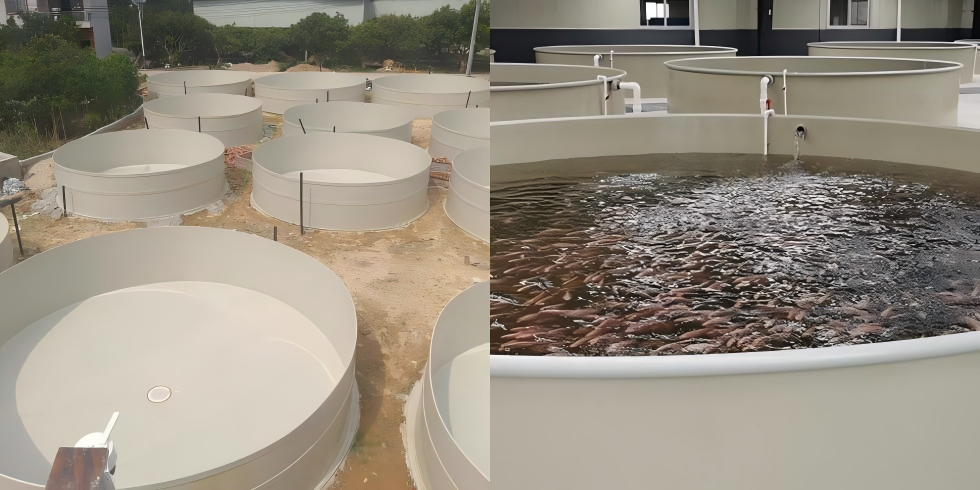
In a commercial-scale trial with tilapia, this AI system improved the Feed Conversion Ratio (FCR) by 18.7% while maintaining water quality within the optimal range 98.3% of the time. This translates to less feed waste, fewer water quality fluctuations, and healthier fish stocks.
For farms, implementing such systems is no longer science fiction. It represents the leap for RAS from “automation” (executing fixed programs) to “intelligence” (autonomous sensing, decision-making, and optimization). The initial investment may be significant, but the value it brings in feed savings, risk reduction, yield increase, and labor optimization makes the Return on Investment increasingly evident for large-scale operations farming high-value species.
 EN
EN  ES
ES  FR
FR