

Each winter, the Chinese large yellow croaker (Larimichthys crocea) aquaculture industry undertakes a costly “migration”—to avoid cold-temperature losses, thousands of fish are transported south over long distances from areas like Zhejiang’s Zhoushan to Fujian for overwintering. The innovative “Land-Sea Relay” intelligent farming model, pioneered in Zhoushan, aims to eliminate this migration locally. It offers a “low-asset, smart-integration” solution for suitable marine species along the coast.
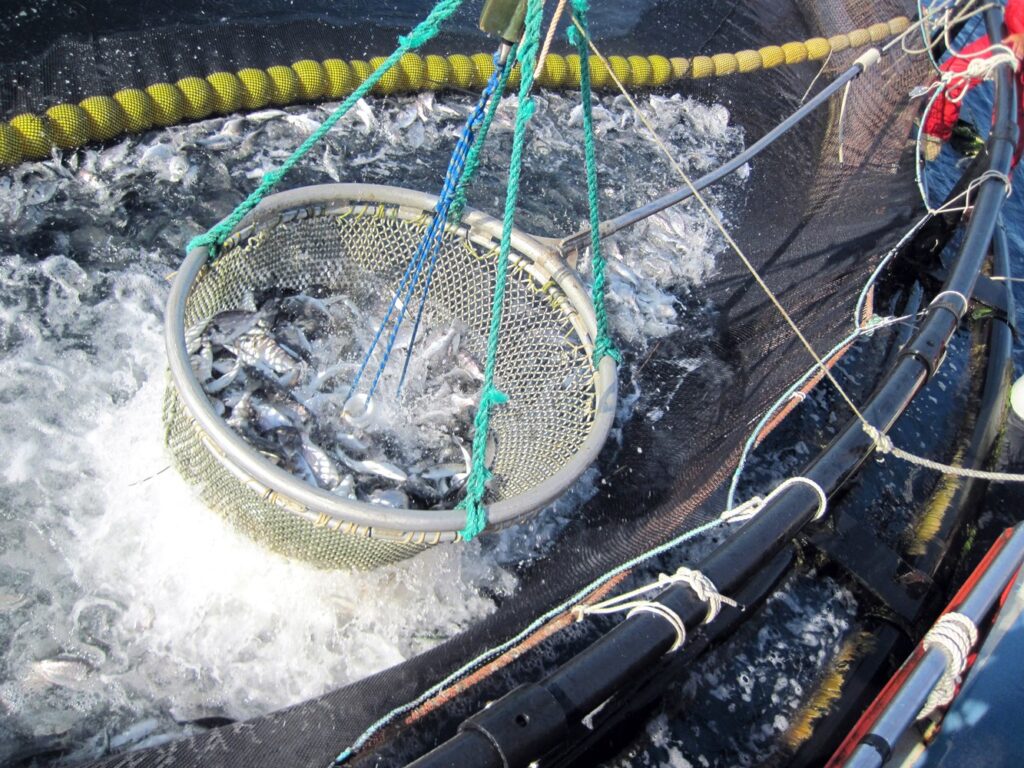
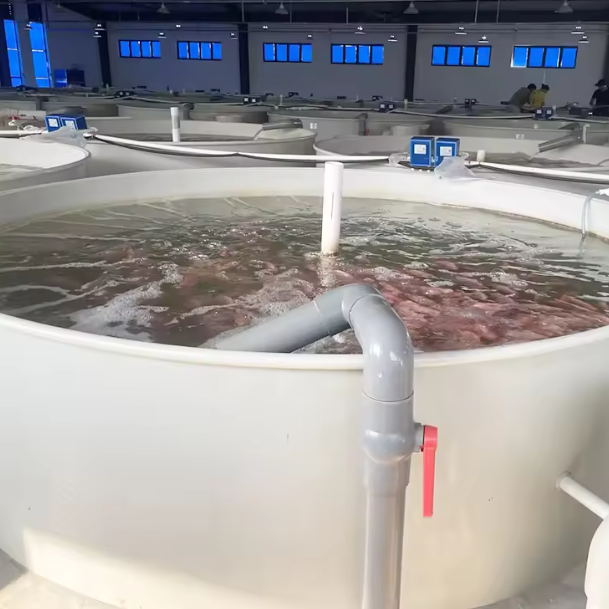
This model cleverly integrates the advantages of two farming systems across time and space. During the land-based phase in winter, the fish are transferred from marine net pens to onshore “raceway-type intensive culture ponds.” The design of these facilities, developed by a team from Zhejiang Ocean University, is key: a V-shaped bottom with a central waste drainage system enables automatic removal of residual feed and feces, significantly reducing disease risk. A constant-temperature water flow system creates a secure “greenhouse-like” environment, allowing the local Daiqu stock of large yellow croaker to overwinter safely in situ. In the marine phase during spring, the school is released back into enclosures within the natural seawater area. This not only utilizes the vast marine space for rapid growth but, more importantly, helps significantly restore the natural flavor and texture of the fish that may be diminished by prolonged net-pen culture.
Compared to the traditional “southbound overwintering” model—which entails high costs, significant stress response, and increased mortality—and the full-cycle land-based RAS model, which requires massive investment, the Zhoushan model’s strength lies in its excellent risk control and cost-effectiveness balance. It eliminates long-distance transport, reduces the risk of introducing exogenous pathogens, and effectively controls fixed-asset investment by phasing the use of natural marine areas. Currently, the base has established an ultra-efficient supply chain, enabling the fish to reach core markets in the Yangtze River Delta within 5 hours of harvest and processing, making the supply of local live fish in winter a reality.
Implication: The core insight from the “Land-Sea Relay” model is that industrial innovation is not always synonymous with heavy assets and high technology. By accurately identifying a critical industry pain point (overwintering difficulty) and creatively integrating existing technologies (land-based temperature control and marine enclosures) to re-engineer the process, breakthrough results can still be achieved. This model provides a replicable and flexible upgrade path for farming other high-value marine fish with similar biological requirements, such as certain groupers and sea breams.
 EN
EN  ES
ES  FR
FR