
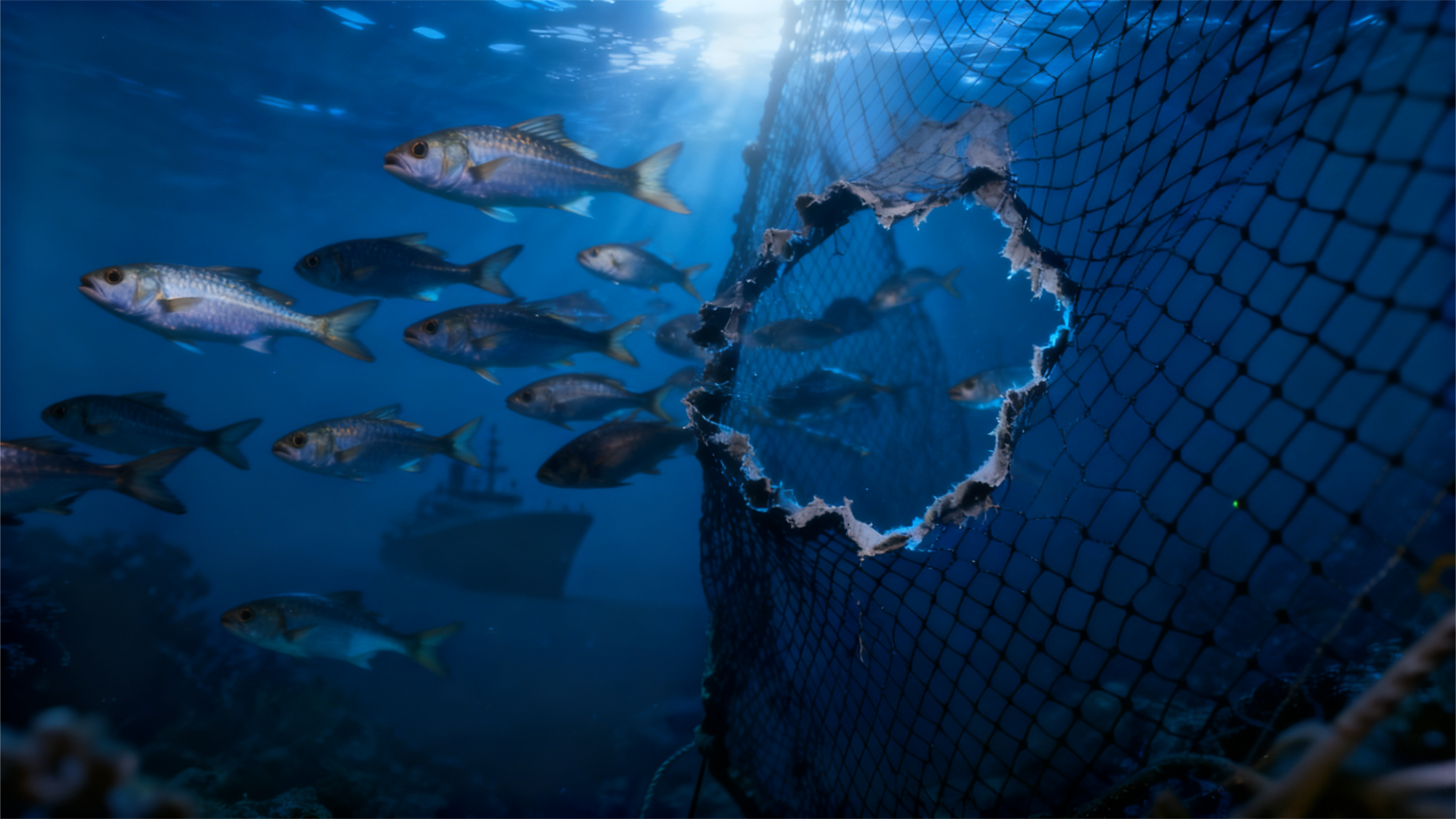

The development of global deep-sea aquaculture faces the dual challenges of environmental controversy and policy uncertainty. Understanding international dynamics holds significant reference value for companies venturing into overseas markets and for domestic policy formulation.
Case Analysis
Details of the Halted Deep-Sea Cage Project in the Gulf of Mexico, USA:
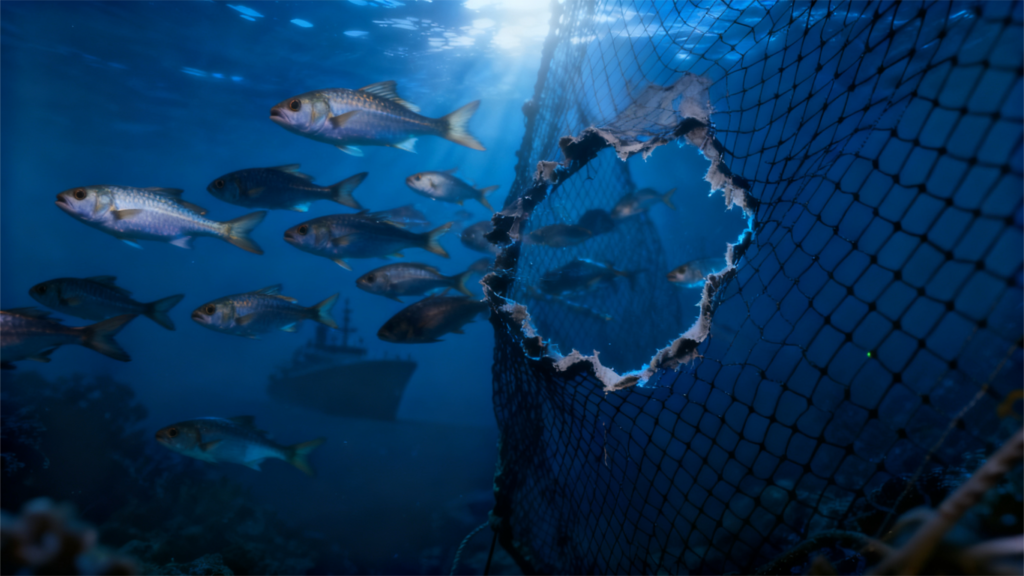
Project Background: Ocean Era company applied to construct a deep-sea cage project in the Gulf of Mexico.
Key Controversies:
Fish waste potentially causing localized marine pollution.
Escapement possibly affecting the genetic diversity of wild fish populations.
Risk of disease transmission to wild populations.
Outcome: The project’s approval was suspended due to strong opposition from environmental organizations.
Policy Trend Interpretation
Global Trend: Marine development worldwide is undergoing increasingly stringent environmental scrutiny.
Strengthened Regulation: Many countries now require comprehensive Environmental Impact Assessments (EIA) for deep-sea aquaculture projects.
Public Participation: The project approval process increasingly incorporates public hearing sessions.
Implications for the Aquaculture Industry
Environment-First Approach:
Adopt the highest international environmental standards for project development.
Conduct pre-project ecological baseline surveys and environmental impact predictions.
Transparent Operations:
Introduce independent third-party environmental monitoring.
Regularly publish sustainability reports.
Technological Innovation:
Develop closed feces collection systems with a collection rate ≥70%.
Create bio-containment technologies to control escapement rates to ≤1%.
Establish disease early warning systems capable of predicting outbreak risks up to 14 days in advance.
Practical Recommendations
Investment Risk Assessment: Thoroughly evaluate local environmental regulations and community acceptance during the pre-project phase.
Compliance Management: Establish a dedicated compliance team to monitor policy changes in target markets.
Brand Building: Obtain international certifications (e.g., BAP, ASC) to enhance product price premium capability.
Conclusion
As a vital component of marine fisheries, deep-sea cage aquaculture is undergoing a transition from traditional practices to modern management. By synergistically advancing facility optimization, technological innovation, ecological management, and policy adaptation, the industry can achieve sustainable development.
 EN
EN  ES
ES  FR
FR